Introduction to Organic Chemistry
AQA A-Level Chemistry
3.3.1
This topic introduces the foundations of organic chemistry by exploring the different ways compounds are represented, named and classified. You will learn how to interpret and draw chemical formulae, identify homologous series and functional groups, apply IUPAC naming rules, understand reaction mechanisms and recognise the different types of structural and stereoisomerism you’ll encounter throughout the AQA A-Level Chemistry course.
Choose your topic
1. Chemical Formulae
Learn how and why different chemical formulae are used to represent organic compounds.
View Topic

2. Homologous Series
Discover how organic compounds are grouped into homologous series and identified by their functional groups.
View Topic
3. Nomenclature
Learn to name organic compounds using the IUPAC system and how to apply systematic naming rules with confidence.
View Topic
4. Reaction Mechanisms
Learn how curly arrows show the movement of electrons during organic reactions.
View Topic
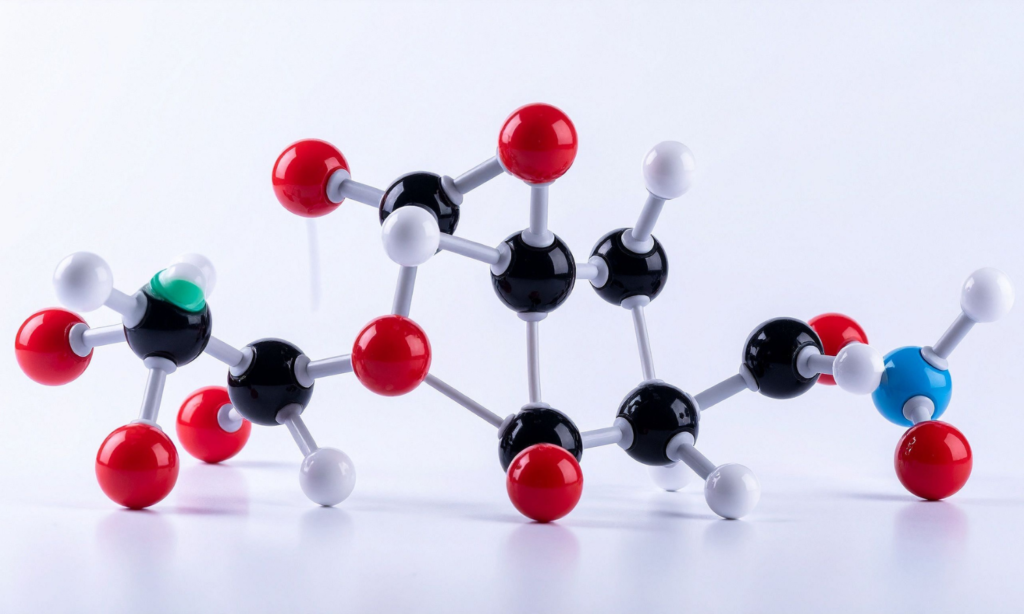
5. Structural Isomerism
Discover how compounds with the same molecular formula can have different structures.
View Topic
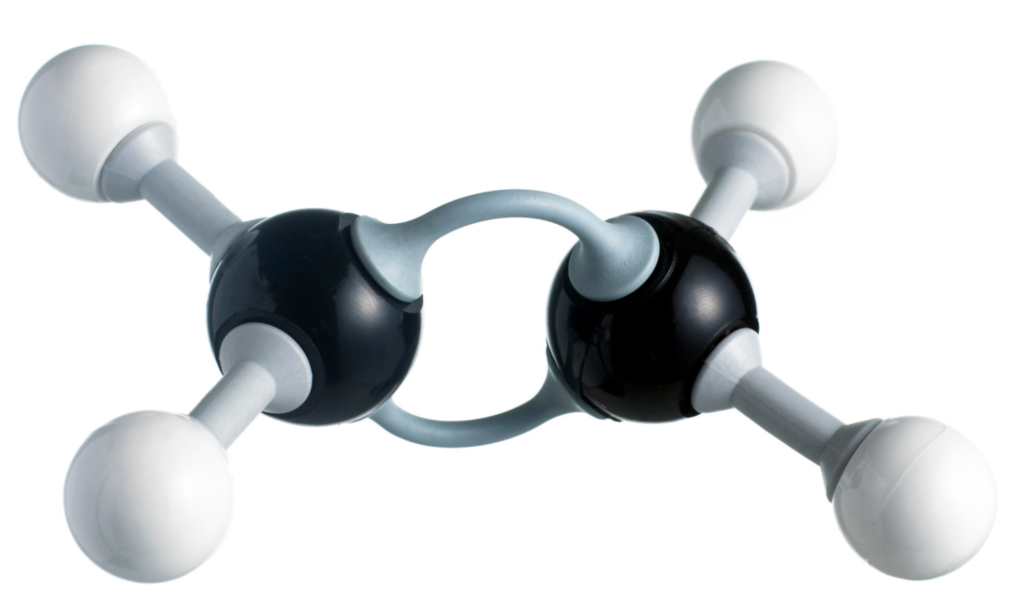
6. Stereoisomerism
Learn how restricted rotation around double bonds gives rise to different E/Z stereoisomers.
View Topic

7. CIP Priority Rules
Learn what the CIP priority rules are and how they are used to identify and name E/Z isomers.
View Topic